Ingredient Kit Launch & Product Ecosystem Expansion System
Turning standalone ingredient kit launches into a connected product ecosystem built around product education, usage scenarios, repeat purchase, bundles, and accessory cross-sell.
From standalone SKU launches to a connected product system
Ingredient kits were treated as recurring ownership touchpoints rather than isolated consumables. Each launch started with the product’s role and customer understanding barrier, then extended into the next relevant purchase or usage path.
The page narrative changed with the role of the product
Instead of applying one universal SKU template, product storytelling, proof, scenarios, and next-step merchandising were weighted differently depending on what the customer still needed to understand.
Category Education & Capability Expansion
Growth role: help customers understand a less familiar beverage category.Mead required stronger explanation of taste, origin, brewing simplicity, and credibility so the product could expand what customers believed the machine was capable of making.
Seasonal Scenario & DIY Exploration
Growth role: turn an unfamiliar style into an easy-to-imagine summer occasion.Flavor translation, fruit-forward DIY variations, seafood / BBQ contexts, and outdoor scenarios made the product feel more immediate and encouraged broader basket exploration.
Home Taproom & Assortment Expansion
Growth role: use one recognizable pub style to broaden kit discovery.The page moved from flavor clarity and British pub heritage into food pairing, brewing simplicity, related beer styles, and home-taproom accessories.
Bundle Conversion & Basket Expansion
Growth role: make a higher-value multi-kit purchase easier to understand and justify.The bundle used offer-first framing, side-by-side comparison, clear savings logic, lifestyle pairing, and proof to reduce choice friction and support a larger basket.
Complete product pages, redesigned around understanding, confidence, and the next purchase
Three selected page systems are shown as annotated end-to-end overviews. The callouts explain why the content structure changed by product role, while the complete page remains readable in the lightbox.
The product page became an entry point, not the end of the journey
Once the main product decision was clear, the page introduced the most relevant next action instead of stacking unrelated cross-sells. Related kits expanded assortment, bundles increased value, and accessories extended the ownership experience.
Measure whether each launch expands the ecosystem—not only whether the SKU sells
New pages were evaluated through conversion behavior, engagement, Active Owner penetration, and ecosystem attachment. This made it possible to compare how different product roles influenced both immediate purchase and broader ownership value.
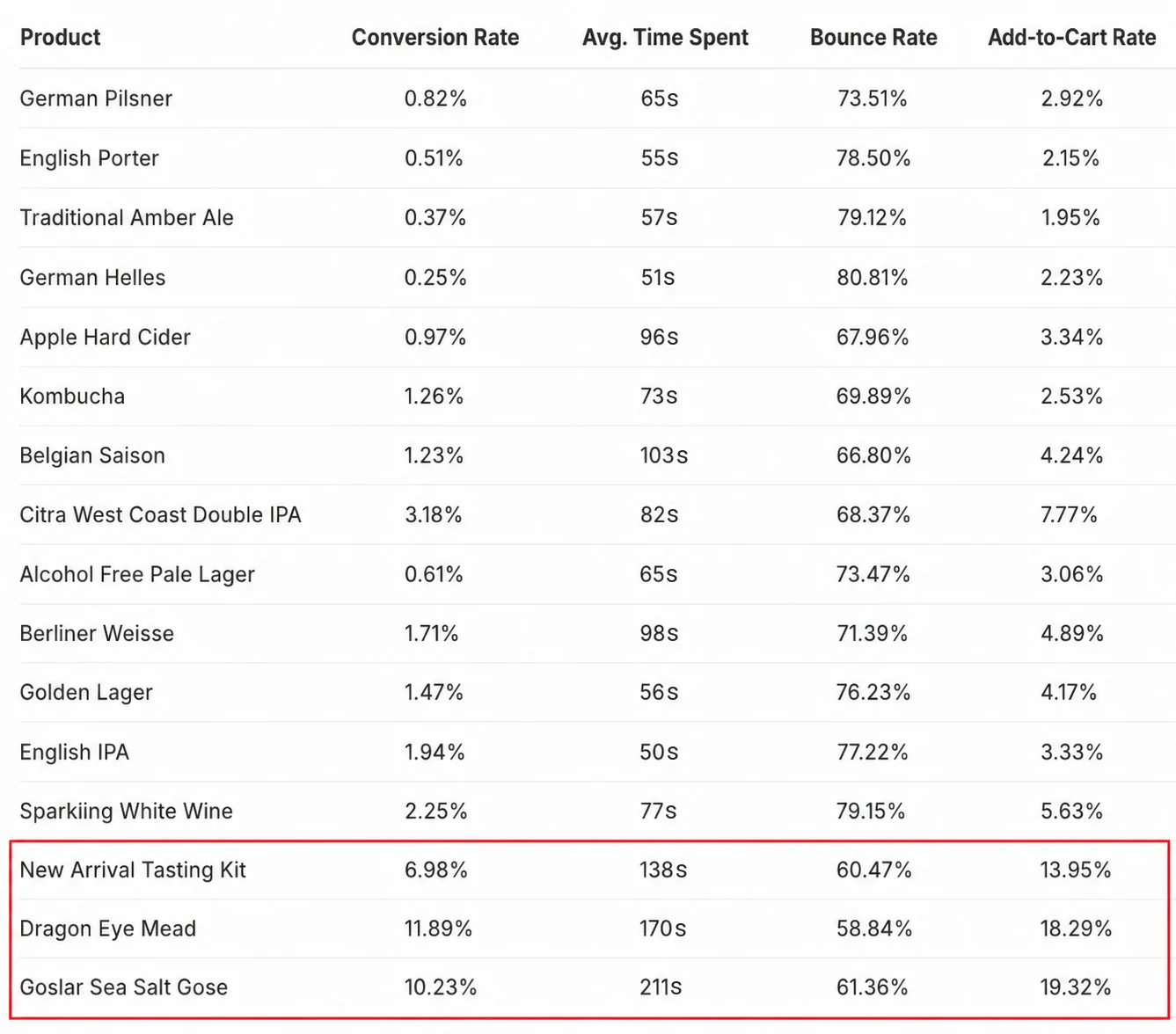
Four signals, one system view
Performance review moved beyond unit sales and looked at whether each launch improved the customer’s relationship with the wider product ecosystem.
- Page engagement & conversion behavior
- Active Owner adoption
- Repeat-use and next-purchase signals
- Accessory / bundle attachment
What this product ecosystem system established
The outcome was a reusable framework for deciding how each new ingredient kit should be positioned, explained, merchandised, and connected to the next ownership action.