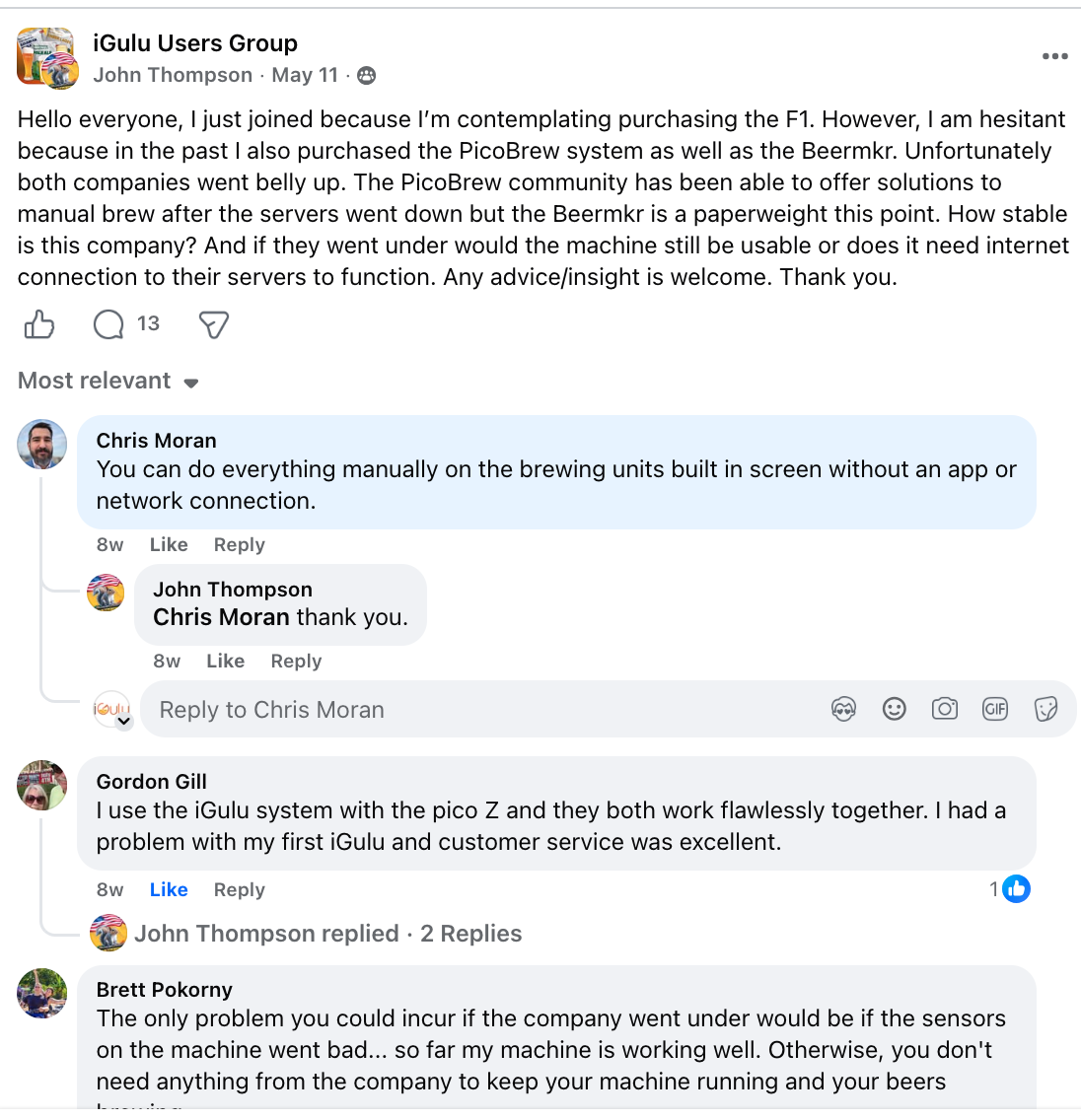
Peer Q&AOwners answered a prospect's purchase concerns
Questions about company stability and machine dependence were answered through real ownership experience.
Turning Facebook from a posting channel into a trust, participation, and conversion-support system.
For a high-consideration product, Facebook needed to do more than publish promotions. The channel was structured around four roles that reduced different barriers across the customer journey.
The framework was shaped by product characteristics, ongoing content testing, user reactions, and category observation. Facebook became the brand's trust and explanation layer: a place to show real ownership, teach brewing concepts, invite participation, and support launches.
The framework did not rely on one visual template or one content formula. Each pillar used a different type of content depending on whether the goal was trust, education, participation, or launch support.
Inside the Facebook group, different types of member activity worked together: peer-to-peer answers reduced purchase hesitation, community prompts surfaced ownership ideas, members shared real brewing behavior, and highly engaged users eventually created content beyond the group itself.
Q&A, participation prompts, member UGC, and user-created advocacy are shown together here as one continuous community loop rather than separate activities.
Questions about company stability and machine dependence were answered through real ownership experience.
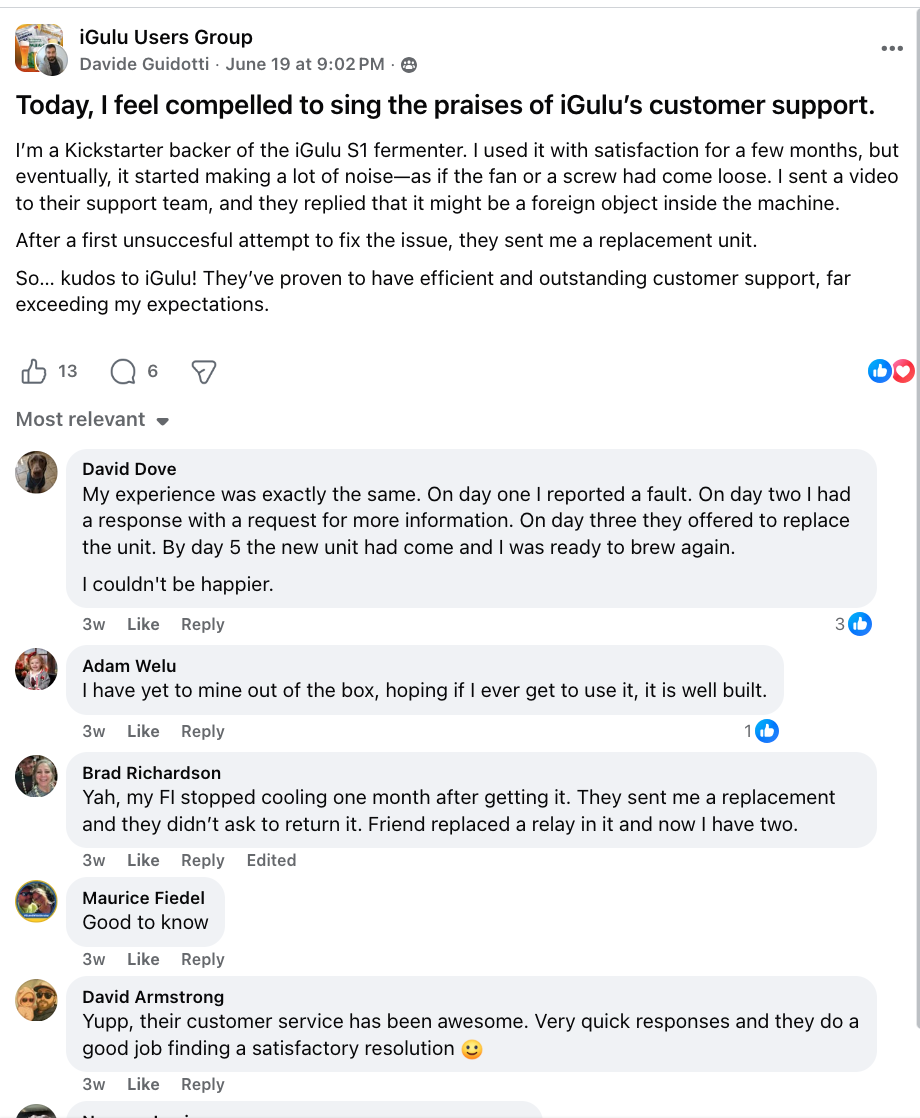
A positive service experience encouraged other members to add their own proof and reinforce trust organically.
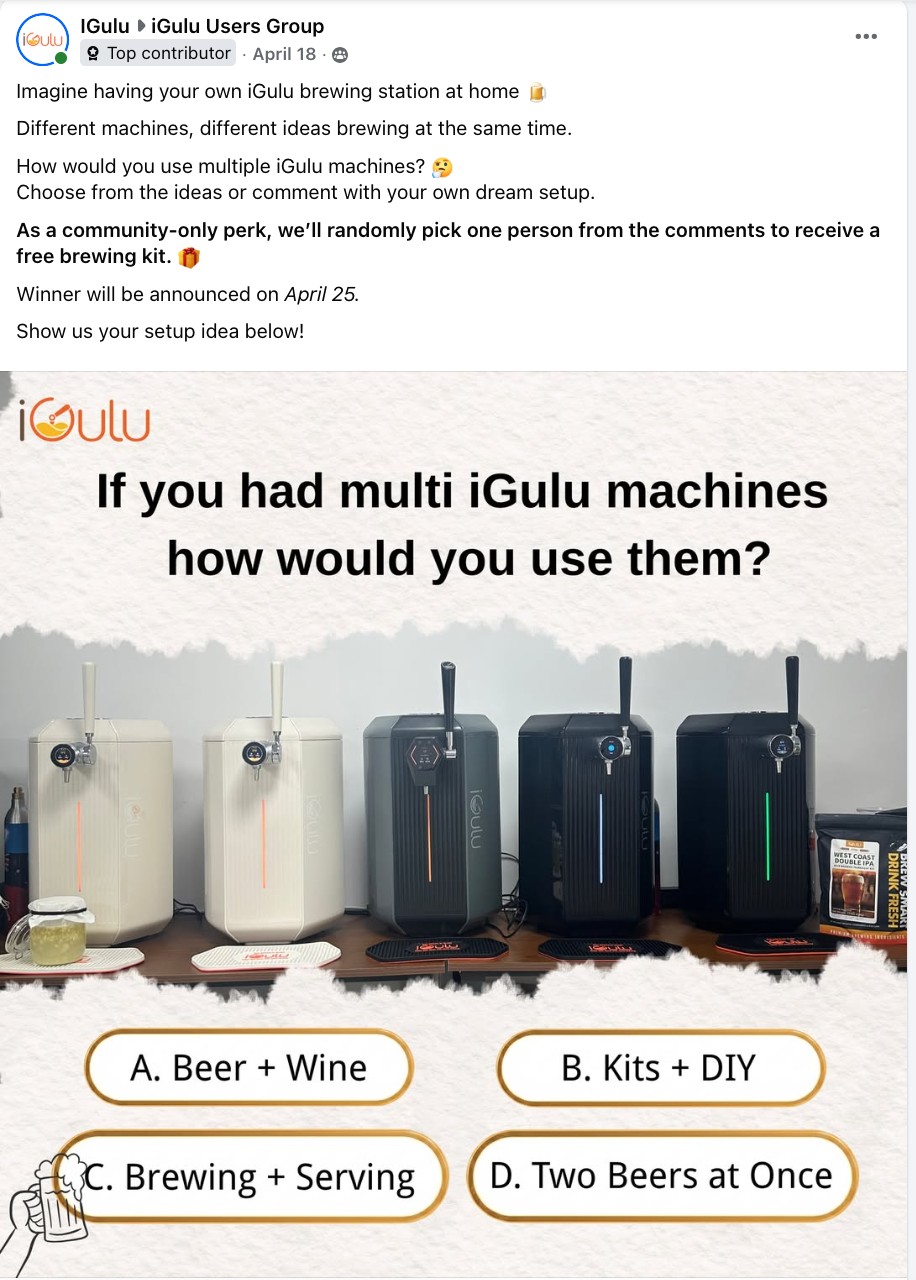
The prompt explored how users imagined combining multiple machines for beer, wine, DIY, brewing, and serving.
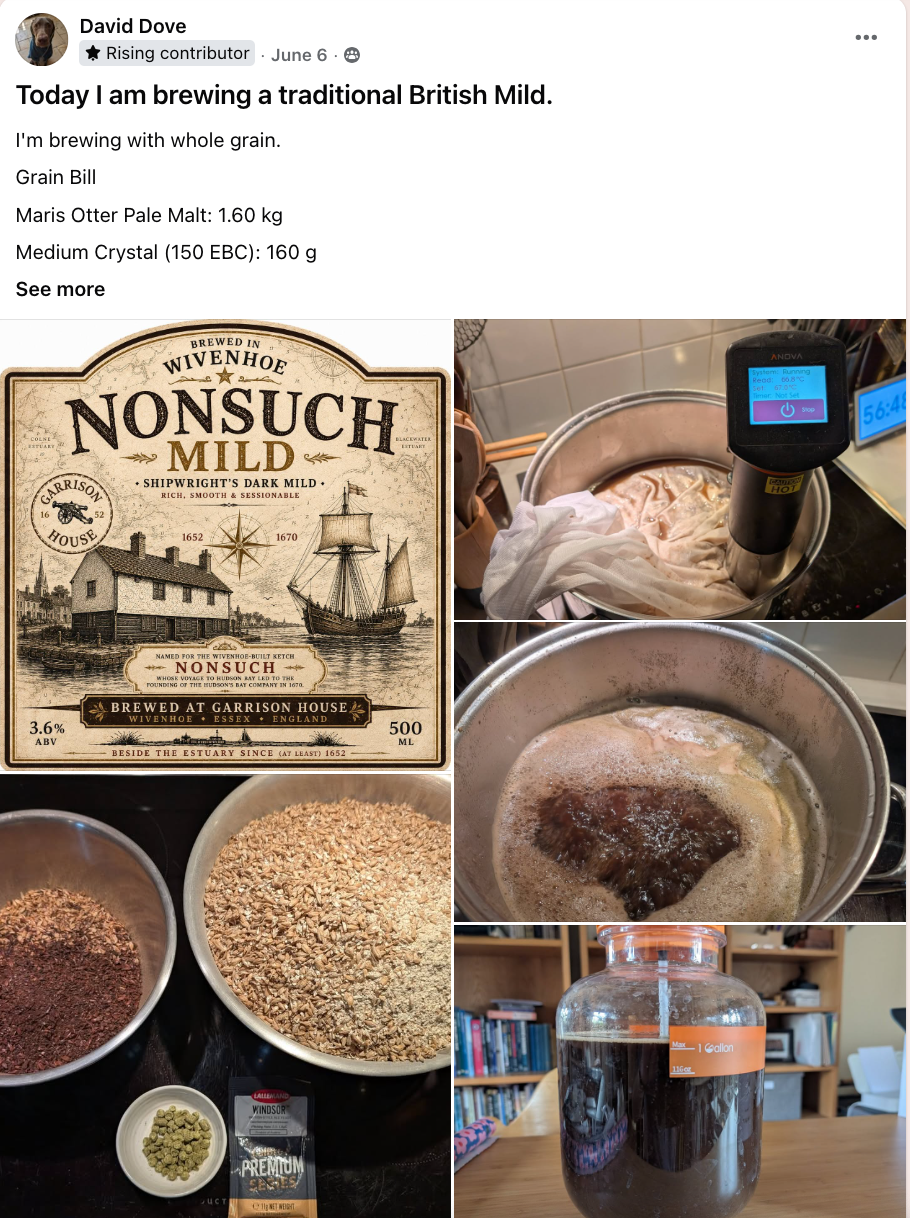
Whole-grain brewing showed users extending the system beyond standard kit use.
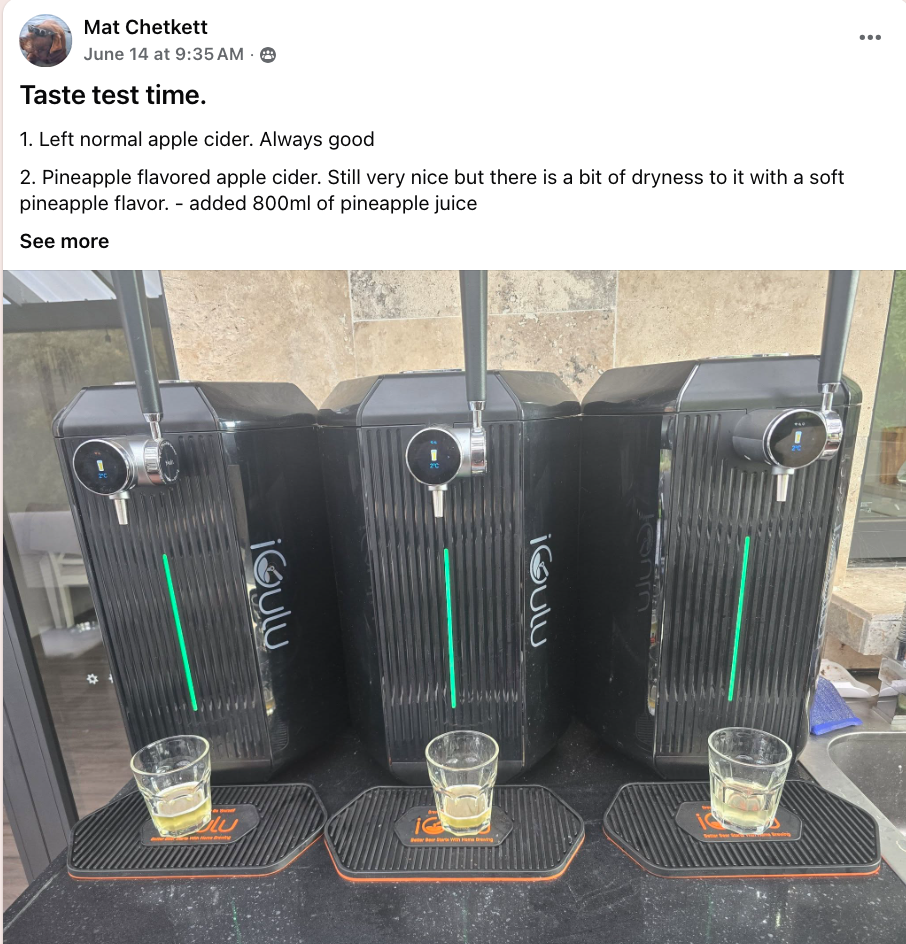
Multiple machines enabled side-by-side recipe testing and comparison.
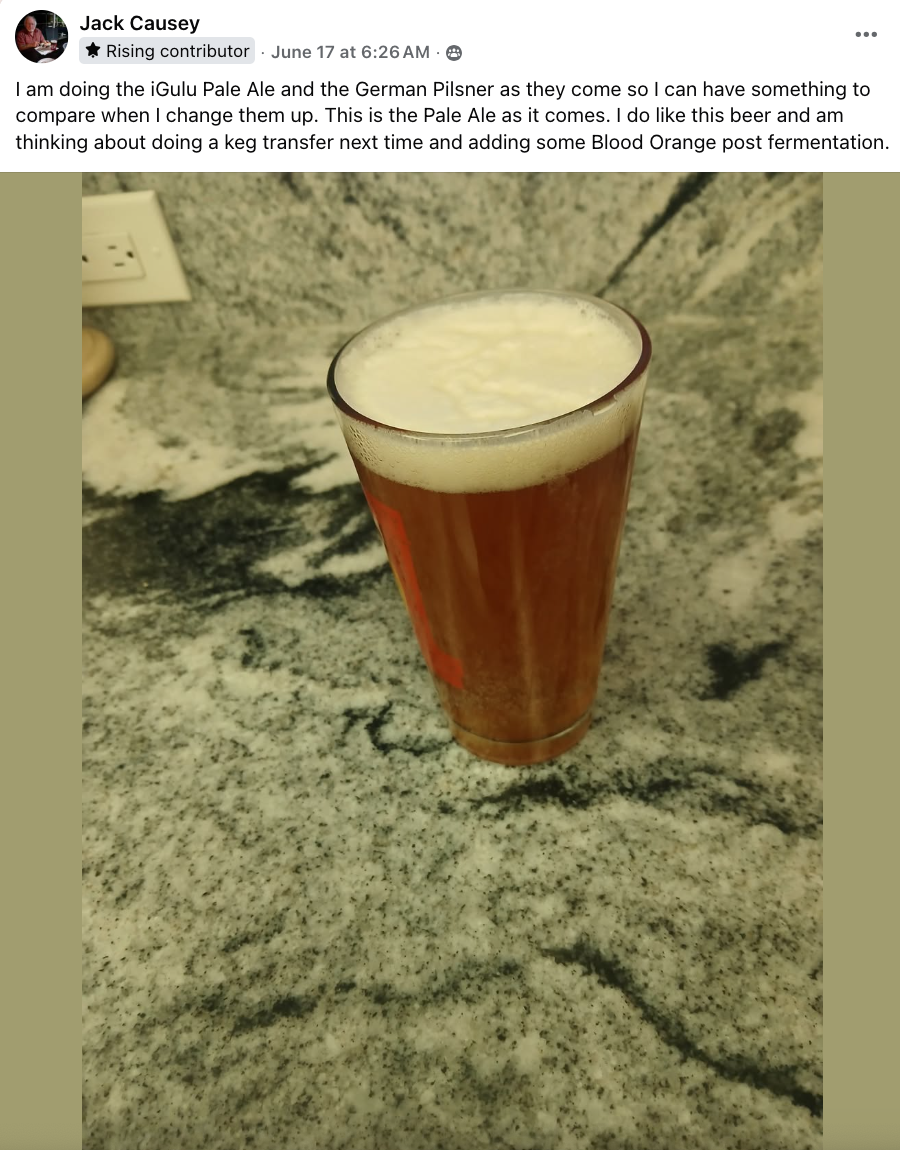
A finished Pale Ale naturally led into post-fermentation flavor and transfer experiments.
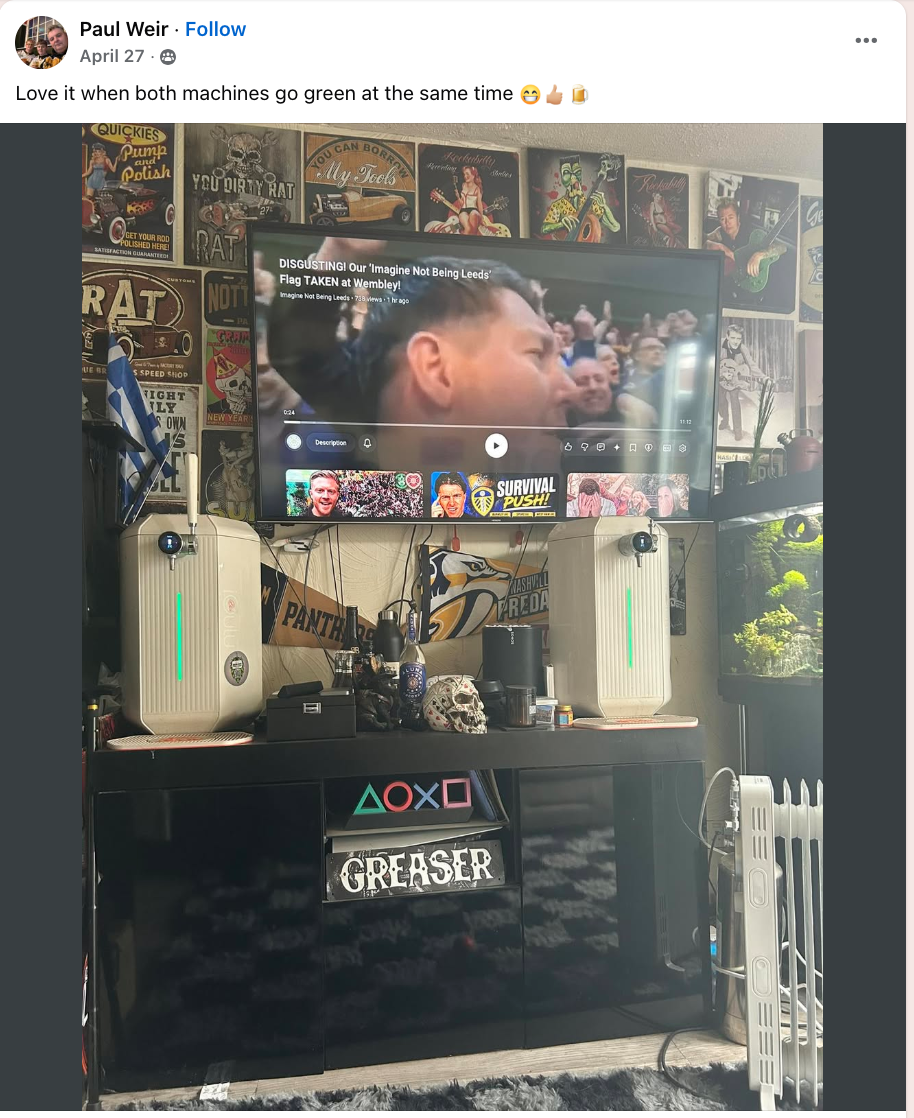
Real home setups made expanded ownership feel tangible and aspirational.
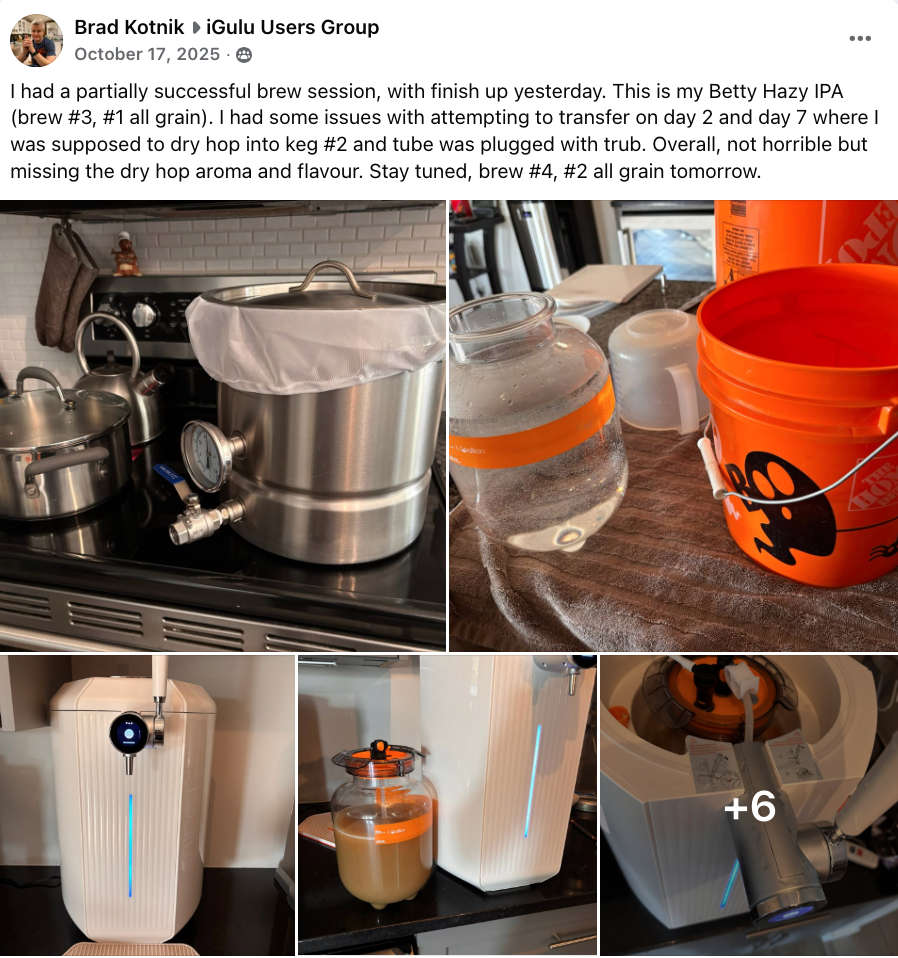
Members documented all-grain methods, transfer challenges, and continuous iteration.
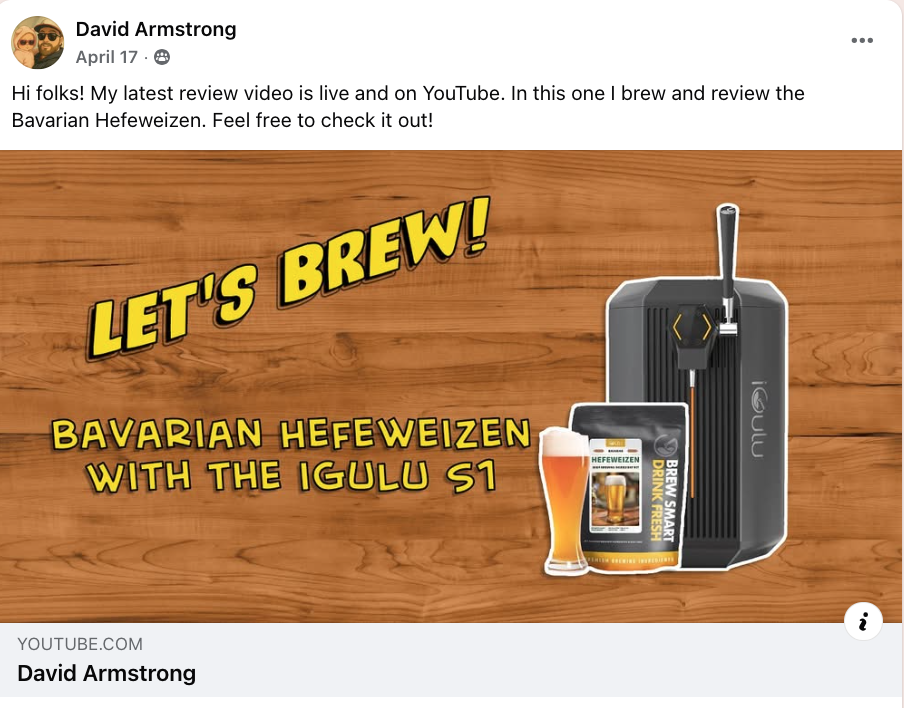
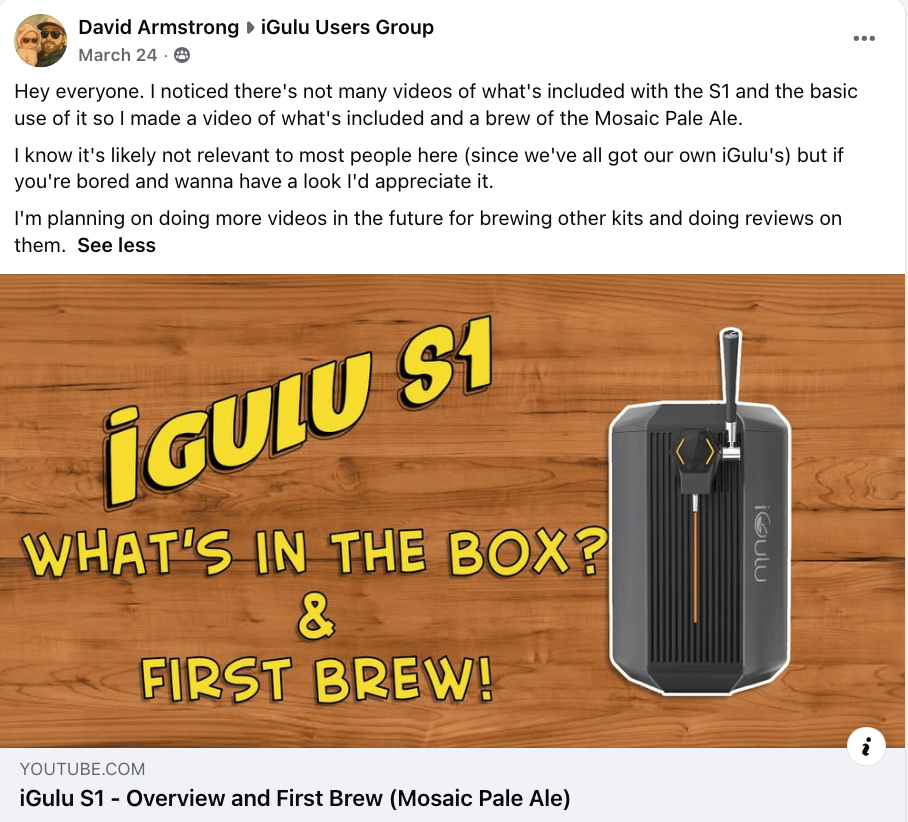
Users independently created product videos and shared them back into the community, extending trust and product understanding beyond brand-owned content.
The Brew Challenge evolved from a community engagement activity into a multi-touch participation system: activating existing users, drawing in new audiences through public voting, capturing leads on the website, and supporting later conversion through story-led follow-up.
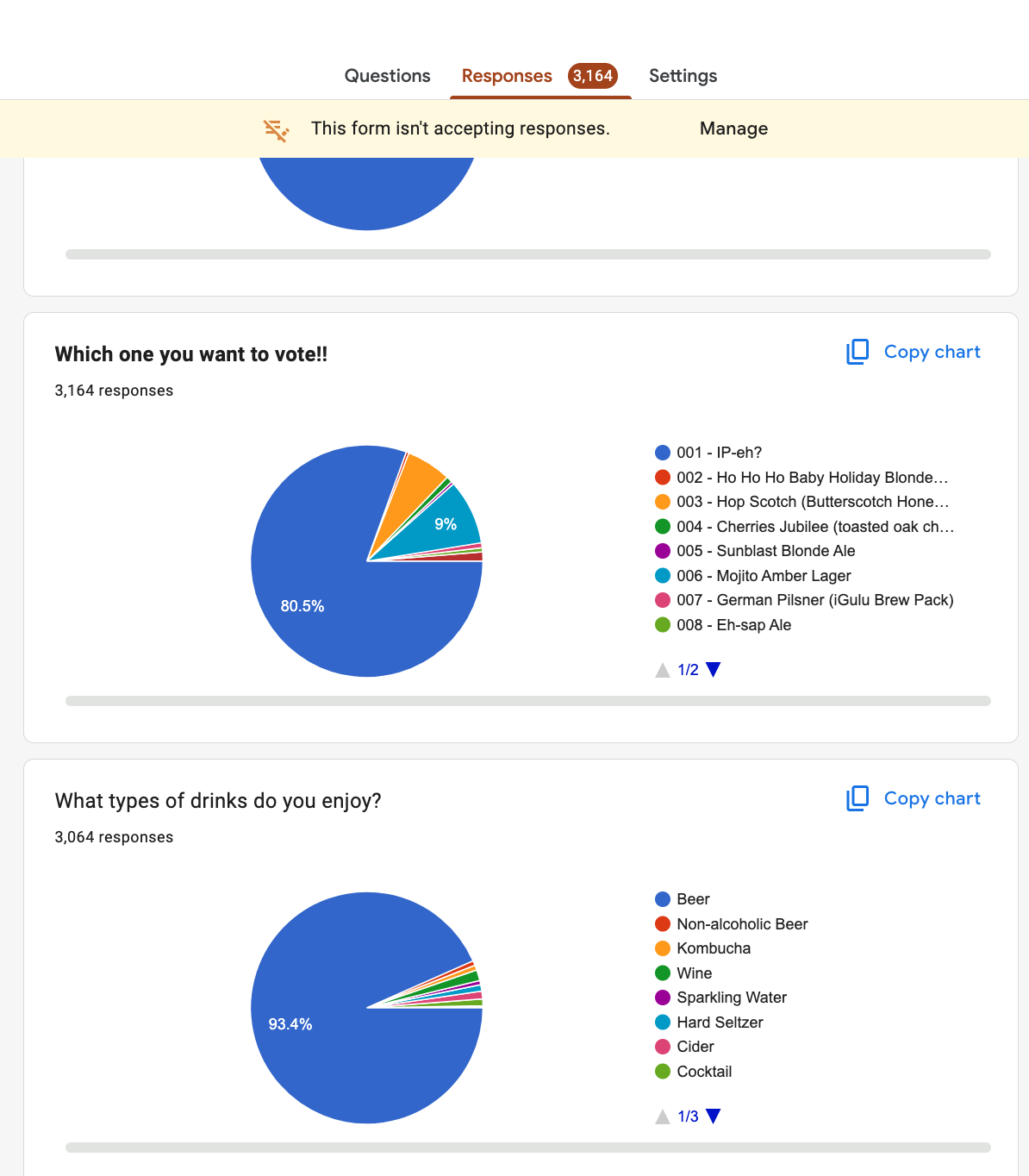
The first edition generated 3,164 responses and proved that community storytelling could support large-scale public voting.
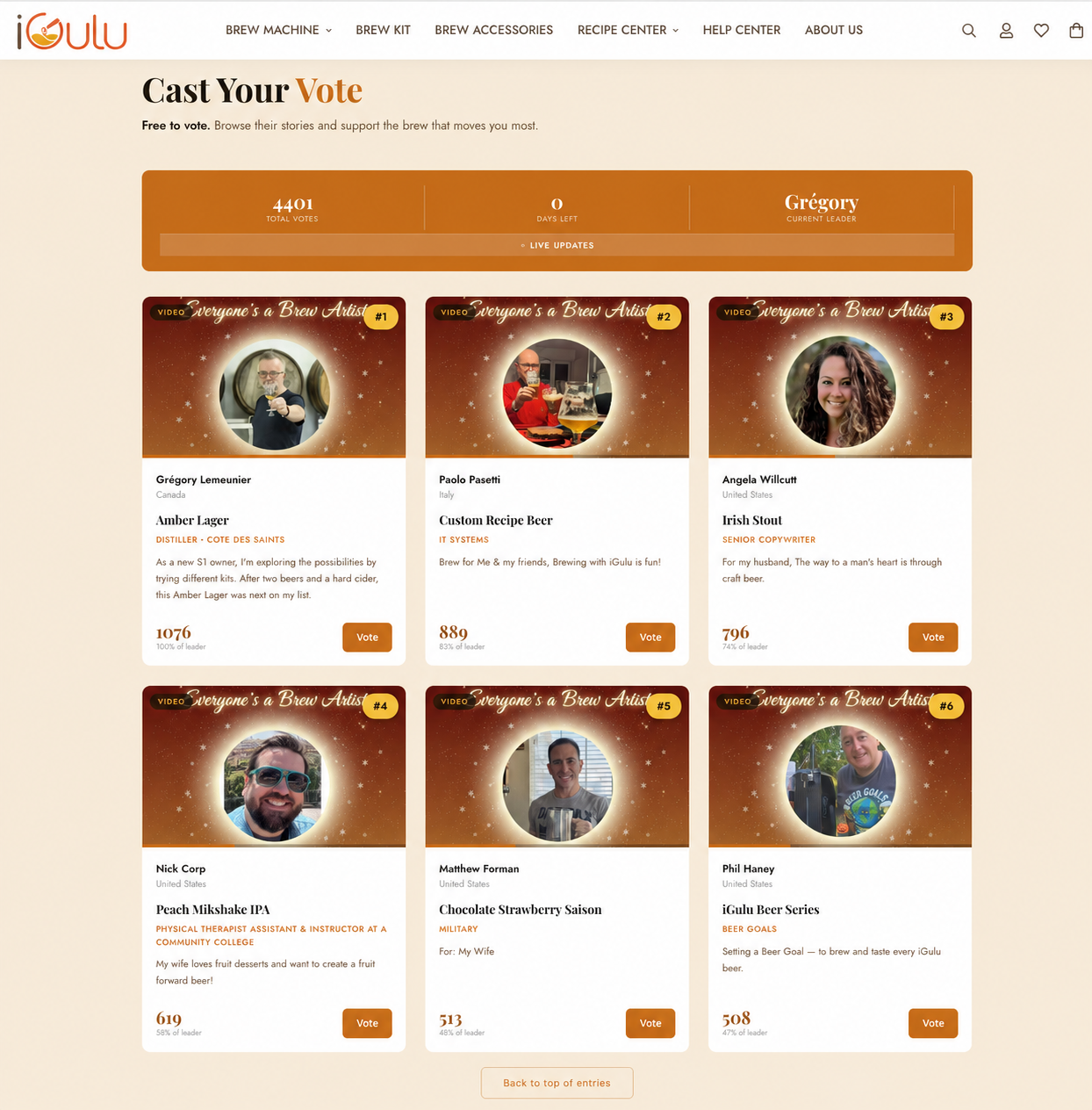
The second edition turned the challenge into a clearer owned-channel voting experience with live ranking, story cards, and direct voting actions.
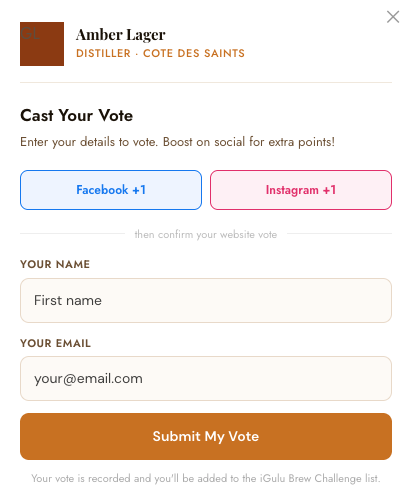
The upgraded mechanism captured name and email while Facebook and Instagram actions added social engagement points.
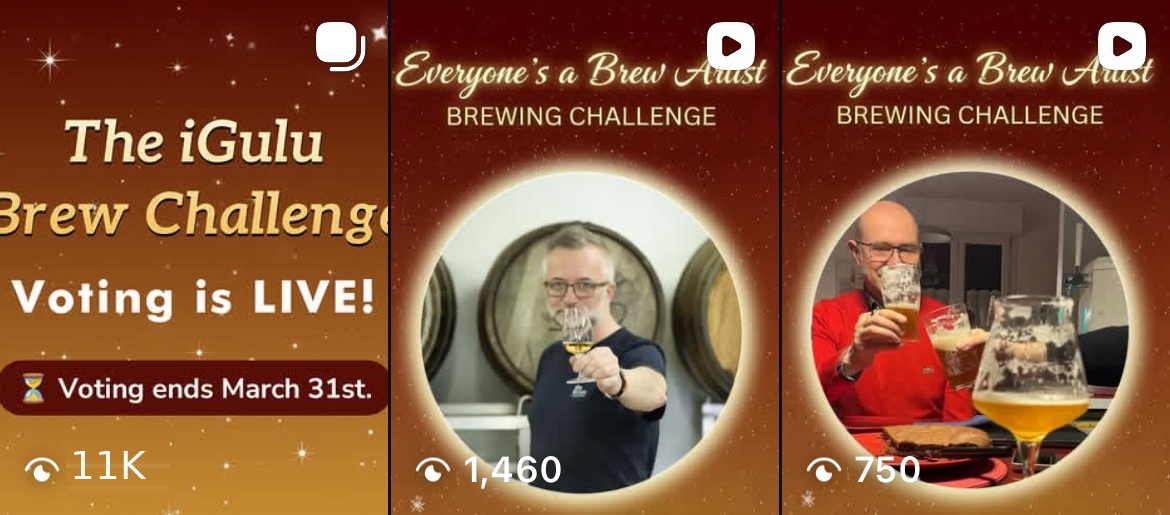
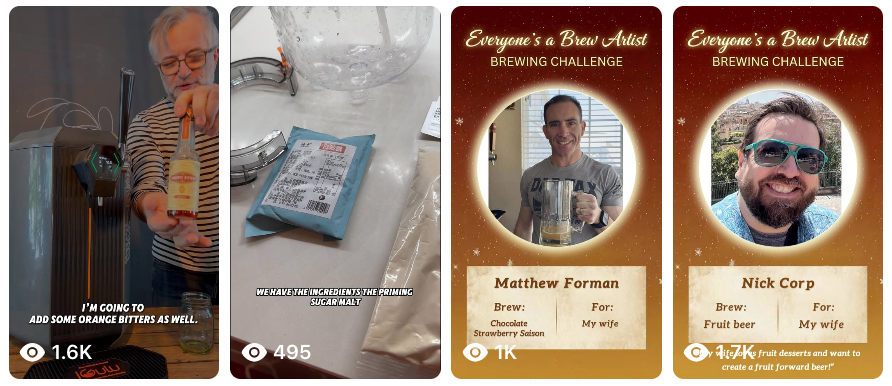
Instagram and Facebook extended participant stories beyond the voting page, increasing visibility and giving entrants a reason to bring new voters into the campaign.
Real community members became the content and gave the campaign authentic proof.
Public voting and shareable entries brought in new audiences while website voting captured contact data.
The same participant stories could be reused in EDM follow-up, connecting community activation back to CRM.
The result was a layered social system in which brand content, peer interaction, member UGC, and participation mechanics each played a different role in the growth journey.
Facebook content was planned around trust, education, participation, and launch support rather than isolated posting.
The user group became a place where peer reassurance, ownership scenarios, and UGC generated both trust and qualitative insight.
The Brew Challenge connected user stories, public voting, social amplification, lead capture, and lifecycle follow-up in one reusable activation model.